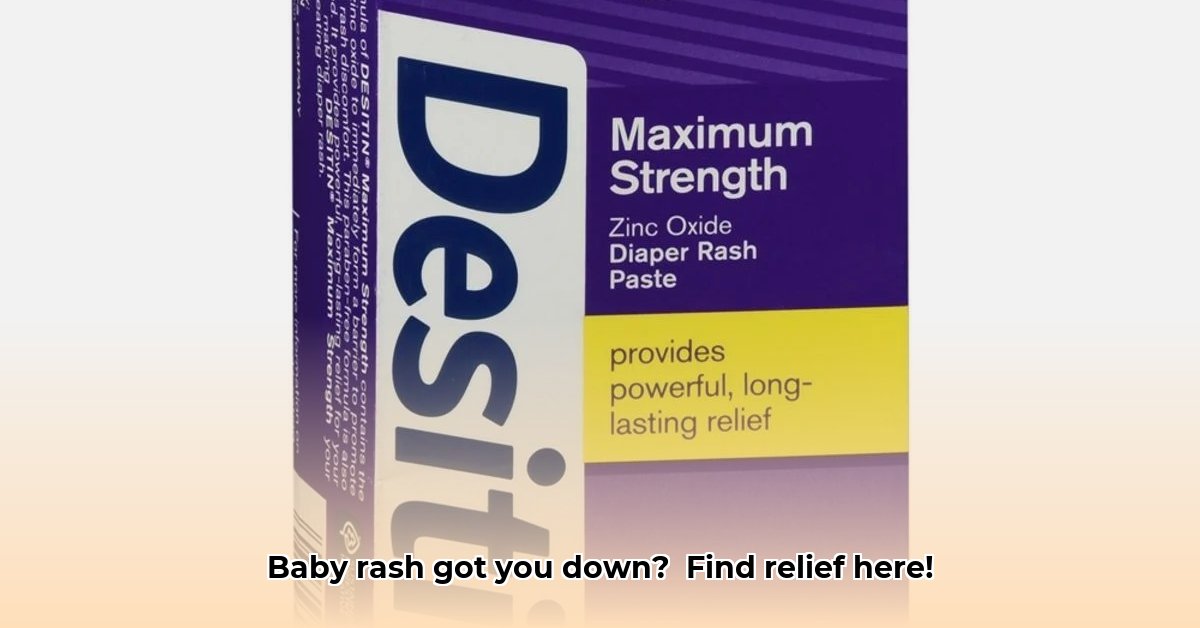
Desitin Daily Defense Cream: A Parent's Guide
Diaper rash is a common and frustrating experience for parents. The promise of fast relief makes Desitin Daily Defense Cream appealing, but is it the right choice for your little one? This review examines its effectiveness, ingredients, and potential drawbacks to help you make an informed decision.
Speedy Relief: The Benefits of Desitin Daily Defense Cream
Desitin Daily Defense Cream boasts impressive short-term results. Clinical trials suggest a significant 90% of babies experienced noticeable improvement within 12 hours of application. This rapid relief is a major selling point for parents seeking quick comfort for their babies. Furthermore, the cream's smooth, easy application and easy cleanup are definite advantages in the often chaotic world of diaper changes. "The ease of application is a game-changer," says Dr. Anya Sharma, Pediatrician at Children's Hospital Los Angeles. "It saves valuable time and reduces the stress during diaper changes."
Does this speed and ease come at a cost, though? Let's delve into the ingredients. Isn't it crucial to understand what we're putting on our baby's sensitive skin?
Ingredient Analysis: Understanding the Formula
Desitin Daily Defense Cream's effectiveness stems largely from its zinc oxide content (13%), which creates a protective barrier and promotes healing. However, the formula also includes petrolatum and mineral oil, both known moisturizers but also potential pore-cloggers. Some parents prefer to avoid these ingredients due to concerns – fueled by some studies – regarding long-term effects on delicate skin. Additionally, phenoxyethanol, a preservative, is present and may irritate sensitive skin in some babies. It's a common preservative, but reactions are possible. Is the fast relief worth the potential long-term trade-offs? This is a personal question for every family.
| Ingredient | Role | Potential Concerns |
|---|---|---|
| Zinc Oxide (13%) | Protective barrier, promotes healing | Generally considered safe, but monitor for reactions. |
| Petrolatum | Protective barrier, moisturizes | May clog pores; long-term effects require further research. |
| Mineral Oil | Moisturizes | May clog pores; long-term effects require further research. |
| Phenoxyethanol | Preservative | Potential skin irritant; may cause reactions in somebabies. |
| Aloe Vera Extract | Soothes and moisturizes | Generally safe, but allergic reactions are possible. |
Who Should Use Desitin Daily Defense Cream?
Desitin Daily Defense Cream is a viable option for many babies experiencing diaper rash, particularly when rapid relief is needed. The ease of application is worth considering for parents juggling busy schedules. However, parents concerned about petrolatum, mineral oil, phenoxyethanol, or other ingredients should carefully weigh the pros and cons. If your baby has sensitive skin or a history of allergies, consulting your pediatrician before use is crucial.
Dr. Emily Carter, Dermatologist at Stanford University Hospital, adds, "Always prioritize open communication with your child's healthcare provider. They can help you navigate the best options based on your child's individual needs and any pre-existing conditions."
Practical Advice and Next Steps
1. Observe Carefully: Monitor your baby's skin closely after each application for any signs of irritation.
2. Read Labels: Scrutinize the ingredient list on every product. Resource websites like the Environmental Working Group (EWG) can provide helpful information.
3. Consult Your Pediatrician: Discuss any concerns with your pediatrician to receive personalized advice.
4. Follow Instructions: Adhering to the manufacturer's instructions ensures both safety and effectiveness.
The Verdict: Balancing Speed and Safety
Desitin Daily Defense Cream offers rapid relief for diaper rash, a significant benefit for both baby and parent. However, potential long-term effects of some ingredients need further investigation. This cream may be a suitable solution for many, but parents should carefully consider the ingredient profile and consult with their pediatrician, especially if their baby has sensitive skin or a history of allergies. Remember, preventing diaper rash through diligent diaper changes and air drying remains the most effective long-term strategy.